


10 Helpful Tips for Resilient Grieving

Resilient grieving is the idea that we can take active measures and steps to find strength and learn coping tools in the face of loss, even when the pain seems unbearable.
An evolving field of research has recently acknowledged our capacity for resiliency, the natural human ability to face trauma and loss by finding ways to thrive, become more in tune with our lives, and create new ways to make meaning out of our experiences.
As someone who has been through my own share of grief, and who has seen hundreds of others move through the process, I know that resilient grieving isn’t for everyone. I believe there are certain personalities and circumstances that more readily lend themselves to this philosophy. But I also believe that there are tools and ideas within resilient grieving that all of us can use. More importantly, many of these techniques can reduce anxiety.
Resilient grieving is about being proactive in your grief process. It’s about letting yourself cry and mourn, but also taking a look at your coping methods and earnestly beginning to reshape your life. It’s about not letting your world fall irrevocably apart as a result of this loss. For some people this may feel out of tune with your natural grief process – some people feel that dusting themselves off and getting on with their lives means letting go of their loved one, but that’s not what resiliency is about.
There are ways to stay connected to your loved one and also begin to live a new life without them, as painful as that may initially sound. I really do believe there is a way to balance the mourning process with resilience, and that building resilience will serve to reduce your anxiety and leave you feeling less overwhelmed.
So how do we go about doing this? Here are some basic ideas about resilient grieving that you can begin to employ in your life right now.
Re-establish Routines
Returning to a regular schedule and routine, despite the changes that you have incurred, immediately soothes the brain and lets our unconscious know that we are safe again. This has a calming effect on the body and central nervous system, leading us away from some of those bodily responses that can easily trigger a panic attack.
When my mother died I took a year-long hiatus from college. I had no sense of routine – I stayed up late, traveled on a whim, did nothing predictable. At the time this felt like what I wanted – my mother was gone; nothing should be the same. But in retrospect, I think it would have perhaps been more beneficial for me to remain in school and continue as planned, while still grieving. Being unmoored like that, out in the world, increased my anxiety and my sense that there was nothing to rely upon.
Examine What is Working
Dr. Hone encourages grievers to ask themselves if their behavior is “helping or harming.” This means paying attention to the thoughts you are focusing on. Are you obsessing on feelings of guilt, continually running through a list of “what ifs”, or replaying traumatic images?
These are all normal responses to loss. It’s as though our mind wants to turn the experience over in our heads like a Rubix cube, trying to make sense of it, trying to line up the events in order to reach a different outcome. Again, this is normal and expected, but after a certain period of time we must begin to release these thoughts and move away from them.
If you find yourself continually replaying certain thoughts stop and ask yourself if they are actually helping in some way. If they are not, then it is time to let go of these thoughts. We’ll cover more strategies for “retraining” your brain in Chapter Eight.
Ask for Help
This one may seem obvious but I can’t tell you how many people I’ve encountered who shrink from this in the face of grief. Either they assume that no one around them will be able to truly help, or they are afraid to ask for help. Letting the people around you know what you need – whether that’s household help, financial planning assistance, or simply someone to listen – can ease the burden you are carrying. I think you’ll be surprised by how ready your community is to help you once they have an understanding of how.
Nurture Your Physical Body
This is often the first thing to go out the window. When we are grieving it is common to experience a lack of appetite, lethargy, sleeplessness. Being proactive about your health during this time is vital. Healthy foods, exercise, and rest will greatly reduce your stress and anxiety levels.
Seek Positives
When we are grieving there is the tendency to look at the whole world through gloom-colored glasses. In the initial grieving process, or if you have let things stagnate for too long, we can become mired in seeing negativity everywhere.
For years I could only look at my life through the lens of having lost my parents. I saw only what I didn’t have, and all the ways in which my life was ruined as a result of their deaths. Finally I began to actively work to acknowledge the positive aspects of my life and doing this turned everything around for me.
This isn’t always an easy process – it requires diligence and focus. Sitting down and making gratitude lists, reminding yourself to bask in positive moments and experiences, and remembering that embracing life again doesn’t mean letting go of your loved one.
Distractions
The habit of dwelling on negative thoughts, or what psychologists calls rumination, can become exactly that – a habit. Actively working to break this cycle by distracting yourself with positive activities can help break this pattern. Go to the movies, take up gardening or some other hobby, beginning to socialize with people who make you feel comfortable, can have a profound effect on reducing negative cycles of thoughts that cause anxiety.
Create Rituals
Find ways that feel good to you to bring your loved one into your life. Our inner selves crave connection with our loved ones. Don’t deny this impulse. Create your own ways to continue that bond. Make their favorite meals, light a candle every night, tell stories about them, start a project in their honor or find a way to be of service for a cause that they cared about.
Connect with Others
Sometimes being around people can be difficult after a major loss. Finding the right people to share company with can make all the difference. Take a look at the people in your life and put distance between yourself and anyone that makes you uncomfortable right now.
Also, seek out people who understand what you’re going through. Join a support group, reach out to a friend who is also familiar with loss. Finding ways to feel a little less alone in your grief will be incredibly soothing.
Make Meaning
Finding ways to make meaning of the loss is invaluable to your sense of peace. This doesn’t mean making sense of why that person died now, but rather, finding ways to make their loss and your grief meaningful.
Did your loved have a cause they were passionate about? Continue the work in their honor. Has your pain made you more compassionate? Find ways to use that in ways to help others.
Accept the Loss
A lot of resilience work involves truly accepting the loss. For many of us this means simply facing our grief, opening ourselves up to the changes in our world, and working to genuinely step into the pain as a way of moving through it. This can feel incredibly frightening but doing this work is never as scary as we think it’s going to be.
*This is an excerpt from Chapter Five of my new book, Anxiety: The Missing Stage of Grief. To read more, order your copy here today!*


Dealing with Regret in Grief

Today I want to explore grief and regret with you. To date I have never had a client who did not experience some form of regret following the loss of a loved one. Something left unsaid, a decision made near the end that they wish they could change, or a situation unresolved. After a loss these regrets can haunt us endlessly.
For several years after my mother died I obsessed about various things I did and didn't do towards the end of her life. It had been so hard to see her sick, so scary to see her turn into someone I didn't recognize, that I often withdrew from her, something that caused me great pain in reflection.
But by far, the hardest one was the night she died. I had left college and was on my way to the hospital, seven hours away. Halfway there I stopped to see a boy I had a crush on and decided to stay the night. Some of this decision came from avoidance and denial. But a lot of it was just my teenage naiveté. Nonetheless, my father called in the middle of the night to tell me that I had not made it in time, and that she was gone.
The remorse I carried over this ate me up for years. I couldn't believe that I had failed my mother in such selfish ways. I turned that fateful night over in my head like a Rubix cube, trying desperately to change the outcome. I cried and cried, and I wrote my dead mother endless letters telling her how sorry I was.
Eventually, years down the road, I was able to forgive myself. After I became a counselor I saw just how many people feel regret following a loss. And I was finally able to see myself in the context of so many others: as a human being, fallible and fragile, and full of love and fear and humanity.
We cannot change our past, but we can forgive ourselves. And we can recognize that we feel this pain because we loved someone so much. And that there is endless beauty in that.
If you find yourself consumed with regret following a loss know that working through these feelings is your path to healing and eventual peace. Find a therapist to talk through the emotions with. Write letters to your lost loved one. Forgive yourself.
You are not alone.
Love,
Claire

Mother’s Day Without Your Mom

This week I’m thinking nonstop about everyone out there who is facing Mother’s Day without their mom here. It’s really one of the hardest holidays to get through when you’re missing your mama.
Fortunately, you’re not alone. And there are more resources than ever to help you feel supported. No matter how you choose to actually spend the day - in bed with Netflix or out with friends and family - take a moment to connect inwardly with your mom, and also to connect with the sisterhood of women all around you who are missing their moms too.
Resource:
How to Get Support on Mother's Day
A Place for Motherless Daughters on Mother's Day Weekend
An Open Letter to Motherless Daughters on Mother's Day
Free Mother’s Day Call with me and Hope Edelman:
List of blogs:
After Loss: Rediscovering my Mom in Motherhood
How to Spend Mother’s Day After Loss
Healing from the Loss of a Mother

My Online Grief Program is now available anytime!
Although registration is closed for the live May 2018 session, I have developed a self-guided version of the course and it's available now!
First, I want to tell you more about where my motivation to take this path and create this program deepened.
I can tell you that when I was a little girl, the idea of growing up to become a grief counselor was not on my list of things to be. But I can also tell you that I am nothing but grateful for the work I do today. A decade of professional experience, working one on one with clients who are grieving, along with my own personal two decades of loss, has given me such a breadth of knowledge.
It is all of this experience and knowledge that I relied upon to design this program and create the content. For ten years I have worked in the field—first in hospice and now in private practice. I have walked alongside hundreds of individuals going through their own deep grief process and in doing so, I have learned so much—not only about grief itself but about how loss shapes us and enables us to see the world in ways we would never have otherwise.
More about my online program: A Safe Place to Grieve | An online course for overcoming the difficult emotions of grief
Over the course of this self-guided program, I help you tap into the aspects of grieving that I have found essential to healing and growing after losing someone you love. I'm with you every step of the way, thinking about my own personal hardships and triumphs and also about each and every client I have worked with. These individuals have truly taught me everything I know today.
Get the full details here.
Love,
Claire
A Safe Place to Grieve (Self-Guided Online Grief Program)
Dear Friends,
When my parents died twenty years ago I didn’t know where to turn for grief support. I felt so isolated from my peers, and the grief process I endured was incredibly lonely. I so wish there had been a program like the one I am now launching. And that’s exactly why I’ve created it.
I’ve been wanting to offer this to you for years. And now that dream has come true. A Safe Place to Grieve (previously called Growing and Thriving Through Loss) allows me to serve so many more individuals than I could possibly work with one-on-one. Now, anyone, anywhere, anytime can receive support, community, and guidance as they walk their path with loss.
During the live program sessions, participants also have access to our private Facebook group and direct interaction with me. This is one of the most healing parts of this opportunity for those who want to connect with others who have experienced loss and can deeply understand their what they've been through.
Of course, the online program experience is different than talk therapy, but I use the same tools and approaches to grief work over the course of these six weeks that I use in my individual sessions.
A Safe Place to Grieve self-guided program includes:
- Weekly videos (plus transcripts)
- Printable weekly workbooks
- Weekly audio meditations
- Printable journaling workbook
- Access to the program website
- Private Facebook group for sharing this journey with fellow participants and receiving my support
- Daily emails to guide you every step of the way
Throughout the course we move through the following topics in-depth, bringing healing and peace to all the different areas in which you are currently struggling.
Week One: What does it really mean to grieve? We explore the process and your own individual path.
Week Two: We dive into the deep stuff like guilt, anger, and anything left unresolved following your loss.
Week Three: All about anxiety. How it relates to your loss, how to manage it, and how to overcome it.
Week Four: What does it mean to find resilience within your grief process? We take inventory of your life and where the big shifts need to happen.
Week Five: Staying connected. The key to alleviating much of your pain is learning how to stay connected (or reconnect) with your loved one. There are more ways than you think.
Week Six: Moving forward doesn’t mean letting go. Embracing your new normal and learning how to make meaning and find purpose.
I hope to have the chance to share this program experience with you. I promise it won’t be scary or overwhelming. I’ve walked this path myself and I’ve walked it alongside so many others. There is another side to grief. Let me help you get there.
Sign up here to be the first to know when the next session is open for registration.
Love,
Claire
Honoring Holidays, Anniversaries & Birthdays for Loved Ones

There are so many difficult dates after you lose someone you love. Holidays, anniversaries, birthdays - there seems to be one around every bend, and each one brings on its own set of emotions. In the twenty years since my parents died I've experienced a multitude of reactions to these dates and some years are more painful than others. I can never be quite sure which dates will hold big emotions for me, and which ones will float under the surface quietly. But what I do know is that it helps me to do something to honor my parents on the dates that hold intense feelings for me.
For my father's ten year death anniversary I took a private flight lesson in a tiny Cessna. My father had been a pilot in the war and flying was a great love of his. For me, piloting this little airplane over the coast of Los Angeles ten years after his death, helped me feel closer to him than I had in years. I knew he would have loved the way my heart pounded as we ascended into the clouds and that he would have been proud of all the strength and resilience I'd found in the years since he'd been gone.
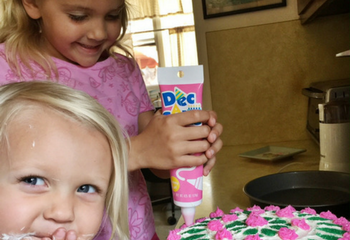
And after my daughters were born I began a ritual of making a cake with them each year on my mother's birthday. We use my mom's old mixer and measuring cups and spoons, and as we bake I tell them stories about how I used to bake with her. The whole act invokes her presence, not just for me, but for my daughters who never knew her in real life. After we're done we even light candles and sing to her, and hearing my mother's name on the lips of my daughters' never fails to fill my heart.
There are so many ways to ritualize and honor our passed loved ones. When we find ways to do so it creates healing and a sense of connection that is otherwise missing. Cook something they loved or make a reservation at their favorite restaurant. Plant flowers or indulge in a hobby they enjoyed. Watch their old favorite movie, gather friends or family for a meal and to share memories, or simply light a candle by their photo and say hello. (Check out Allison Gilbert's book Passed and Present for even more ideas.)
Additionally, I offer a self-guided online grief program: A Safe Place to Grieve. The program is based on the process I use every day with my grief therapy clients. You are guided through six sections using my meditations and videos, workbook, journal, emails and more.
Our hearts yearn to stay connected to the people we have lost. Honor that yearning, honor your relationship, and honor the love that you will always have for them.
Love,
Claire

How to Help Kids with Grief and Loss

Today I want to talk about kids and grief. Our children will inevitably experience loss. Sometimes it is directly – the loss of a friend or family member, and sometimes it is peripheral – witnessing a classmate lose someone or becoming aware of a national tragedy. Death is a complicated concept for children to comprehend. They feel it on a visceral, emotional level, but they are not quite able to understand it on a cognitive level.
When we experience loss as adults we not only feel it deeply, but we take in the big picture in such a way that it makes the pain even sharper. Often children cannot even comprehend that they will truly never see the deceased person again. They are not able to foresee all that their lives will look like as a result of the loss, and cannot imagine the important milestones and life moments a deceased person will miss. Instead, children and adolescents are very much in the moment. What does it look like right now to have the person gone? What does it feel like in this moment?
The best thing you can do is meet them exactly where they are. Talking about the loss with them in very simple and direct terms is helpful. Taking time to answer their questions, even if sometimes you have to say, "I don't know" as a response is important. Use clear language and allow them the time to come and go from their own thoughts. Simply providing space for them to process it in whatever way they do is vital. Giving them permission to feel everything they feel and providing a non-judgemental space in which they can explore their thoughts will benefit them greatly.
Lastly, teaching them about ritual or helping them find ways to memorialize the person is incredibly helpful. Check out Allison Gilbert’s Passed and Present for creative ideas on memorializing objects belonging to loved ones.
And here is a list of some of my favorite children’s books that really help open up conversation and understanding around death:
I know it can be intimidating to talk with your kids about grief. For some it can open up your own grief in ways you’re not ready to confront. For others it can be scary to not have all the answers. But again, simply providing space for them to process their own thoughts and fears provides enormous healing.
Love,
Claire
Healing from the Loss of a Mother
I recently led a retreat with Hope Edelman, author of Motherless Daughters, so it seems only fitting that I talk about mother loss today.
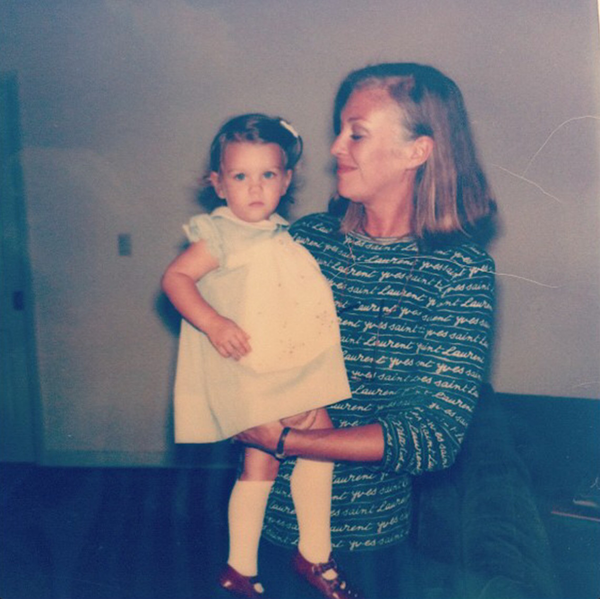
My mom died of cancer when I was eighteen years old. She'd been a wonderful mother and we were incredibly close. Her death shattered life as I knew it, and forever changed who I would become.
In the last twenty years of her absence, I've learned an enormous amount about the effects of mother loss. I lived through my own experience of it and I've also worked with countless women on their own journeys. In my book The Rules of Inheritance, I wrote:
“Her death leaves me both depleted and emboldened. That's what tragedy does to you, I am learning. The sadness and wild freedom of it all impart a strange durability. I feel weathered and detached, tucking my head against the winds and trudging forward into life.”
While there is no sense in comparing different kinds of loss, I do know that mother loss has a long-lasting impact on a woman's sense of self, on her relationships (romantic, familial and fraternal), on her sense of self-worth, and on her ability to feel nurtured in the world, no matter how much support she may have around her.
Over the last few years of working so extensively with motherless daughters, I've seen myself mirrored in dozens of women. I've sat in rooms filled with these women and seen the same themes emerge over and over - depression, anxiety, fear of more loss, difficulty with attachments, control issues - but also positive themes like fortitude, resilience, independence, ambition, and empathy.
I've often found myself wishing that certain people in my life - family members or partners who have struggled to understand me in the face of my loss - could hear these rooms and understand that my feelings and issues are not abnormal; that I am part of a sisterhood I never asked to join, but with whom I now clasp hands in gratitude that we have found each other.
If you have lost your mom please know that you are not alone in missing her months, years, and even decades later. This loss comes with its own subset of varying impacts on your life. Seeking support and understanding around this loss is incredibly healing and rewarding. Pick up Hope’s book, work with me individually, or join us on a retreat (there’s one coming up on February 16 - 19 in Ojai, CA). It’s never too late to begin healing.
Love,
Claire


How Long Does Grief Last?

I've been thinking about the concept of grief and time lately. Probably because I always check in on where I am with my own grief during major milestones or fresh starts in my life. There are so many misconceptions about how long grief is supposed to last or not last. There are books and studies and reports and endless advice and opinions about what your grief should look like. But really, the only person who knows how long your grief should last is you.
Sometimes grief lasts a lifetime. It comes and goes and takes different shapes and it filters into different areas of your life. It goes to sleep for a while and then sometimes it returns after years of being gone. Sometimes we are grieving for only moments and sometimes we grieve for days and months.
For me, grief has been a dominant theme in my life, but it has not lasted forever. The losses themselves stay with me always - they shape and mold much of who I am. But grief itself is a more elusive creature. I have also grieved differently for the individual people I have lost. The grief I felt after my mother's death was not the same after my father's, nor after my friend's. There is no perfect formula for grieving that any of us could apply to our losses. I believe we must remember this, and that we must be kind and gentle with ourselves as we move through the process.
Anne Lamott writes, “You will lose someone you can’t live without, and your heart will be badly broken, and the bad news is that you never completely get over the loss of your beloved. But this is also the good news. They live forever in your broken heart that doesn’t seal back up. And you come through. It’s like having a broken leg that never heals perfectly—that still hurts when the weather gets cold, but you learn to dance with the limp.”
Be patient with yourself as you grieve, and don’t let anyone but you tell you how long it should last.
Love,
Claire

Grieving in the New Year
If you're like me, the new year always brings an opportunity for renewal and a fresh start. Except when you're grieving. When you've lost someone you love - recently, or even years ago - the new year can bring on a tidal wave of emotions and expectations. The idea of starting over in the new year can feel unwanted or even just overwhelming.

New Year’s Resolution: Be less sad.
Impossible.
If you have this one on your list strike it out right now! I've heard so many clients tell me stories of trying to "quit" grieving at the beginning of the year, only to have this resolution fall flat on its face.
New Year’s simply looks different for those who are grieving. You may find yourself feeling more alone than ever as you watch your friends and loved ones carry on celebrating and making resolutions to embrace the year ahead. Because when you’re grieving there is a poignancy that comes with the passing of time, and nothing feels like more of a reminder of this than the new year.
I’ll never forget the first new year after my mother died. She had been gone for almost a year but when the clock struck 12 that night and the minutes carried forth into a year in which she was not alive, I literally sank to my knees in pain in the back hallway of a nightclub.
The intense pain I felt in that moment was unexpected for me. For most of that first year, I had felt numb. But when the hands of the clock began to move forward and I realized I was entering a year in which she would not be a part of, I felt overcome with searing grief. The club patrons carried on celebrating around me and I curled into a corner of the hallway sobbing into my hands, missing my mother more than I could stand, and not knowing how I would get through an entire lifetime without her.
Allow Grief to be Part of Your New Year
Be kind to yourself in the new year. You don’t have to make the traditional fresh start, embrace diets, work out regimes, or start a daily gratitude list. Whether this is your first year without your loved one or whether it’s been many years since the loss, it’s important to honor your feelings and give yourself the proper time you need to grieve. There will be other years in which you can feel celebratory again. But this year be gentle with yourself.
Let your resolution be one of vulnerability. So many of us are afraid to feel all the big emotions that come after a loss. These feelings can be overwhelming and also make you feel like you are not functioning like everyone else around you, but let that be okay for now.
I’ve had many people tell me years after a loss that they feel they missed an opportunity in their grief - that they did not let it in when given the chance, and that it hardened something about their relationship with their loved one.
Use the new year to take a deep breath and to embrace who you are in this moment. We change so much more than we realize. So remember that you will not always be in this space, but while you are, allow yourself to feel all that comes with loss.
There is undeniably an identity shift that comes with losing someone close to you. Be it a friend, family member, spouse, or child, their absence in your life will force change upon your soul. Most of us try to resist that change, thinking that the answer to getting through the pain is to try to remain exactly the same, to try to retain the person you were before the loss. But in fact, the opposite is true.
When we can allow ourselves to let the loss shape us and change us, we will grow with experience, rather than against it. And whenever we stop resisting something then we can give ourselves the opportunity to heal.
The Year of Letting Go
Let this be the year of letting go. Not of your loved one, but of your expectations of yourself. You will never get over your loved one and you do not ever need to let go of them, but in order to heal you do need to release the idea that you can remain unchanged.
Each time you find yourself judging your grief process - whether it’s thinking you are too sad or too angry or simply too consumed by it all - let go and know that whatever you are feeling right now is normal and natural. You will eventually reach a state of less pain and sadness and anxiety. You will find a new normal. Until then, be gentle with yourself.
Meditation for the New Year
I want to walk you through a simple meditation that you can do anytime you have a quiet and private space for 5-10 minutes. Don’t worry if you’ve never meditated before. Just give it a try.
First lie back in a comfortable position and close your eyes. Then take a moment to simply breathe and become attuned to your body. When you are ready I want you to imagine that you are rising up above yourself and looking down.
Take note of everything that you are experiencing in this moment in time. Do not resist what you see. If you think you are too sad, or too heavy or too scattered or too whatever I want you to let yourself see it and accept it anyway. This is who you are in this moment.
Take another moment to imagine reaching down and stroking your own head in a loving way. Forgive yourself for anything you think you are doing wrong and just for this one moment, during this meditation, let yourself feel real love and compassion for who you are, right here and right now.
Give yourself a message of reassurance and love. See yourself as you would see a friend or a child, and meet yourself with true compassion.
When you are ready, return to your body and take some slow, deep breaths before you open your eyes.
Do this meditation as often as you need. It will help keep you present and balanced in the new year. And remember, the path to healing starts with giving yourself space to grieve.
